Visiting All 23 Bodleian Libraries
The Bodleian Libraries system at the University of Oxford has 23 locations. I've been a student here for almost two years, but I've only visited a handful of these. So with exam season on the horizon, I'm going to visit them all, in alphabetical order, study at each one for a few hours, and see what I can learn about their history and significance.
Art, Archaeology and Ancient World Library
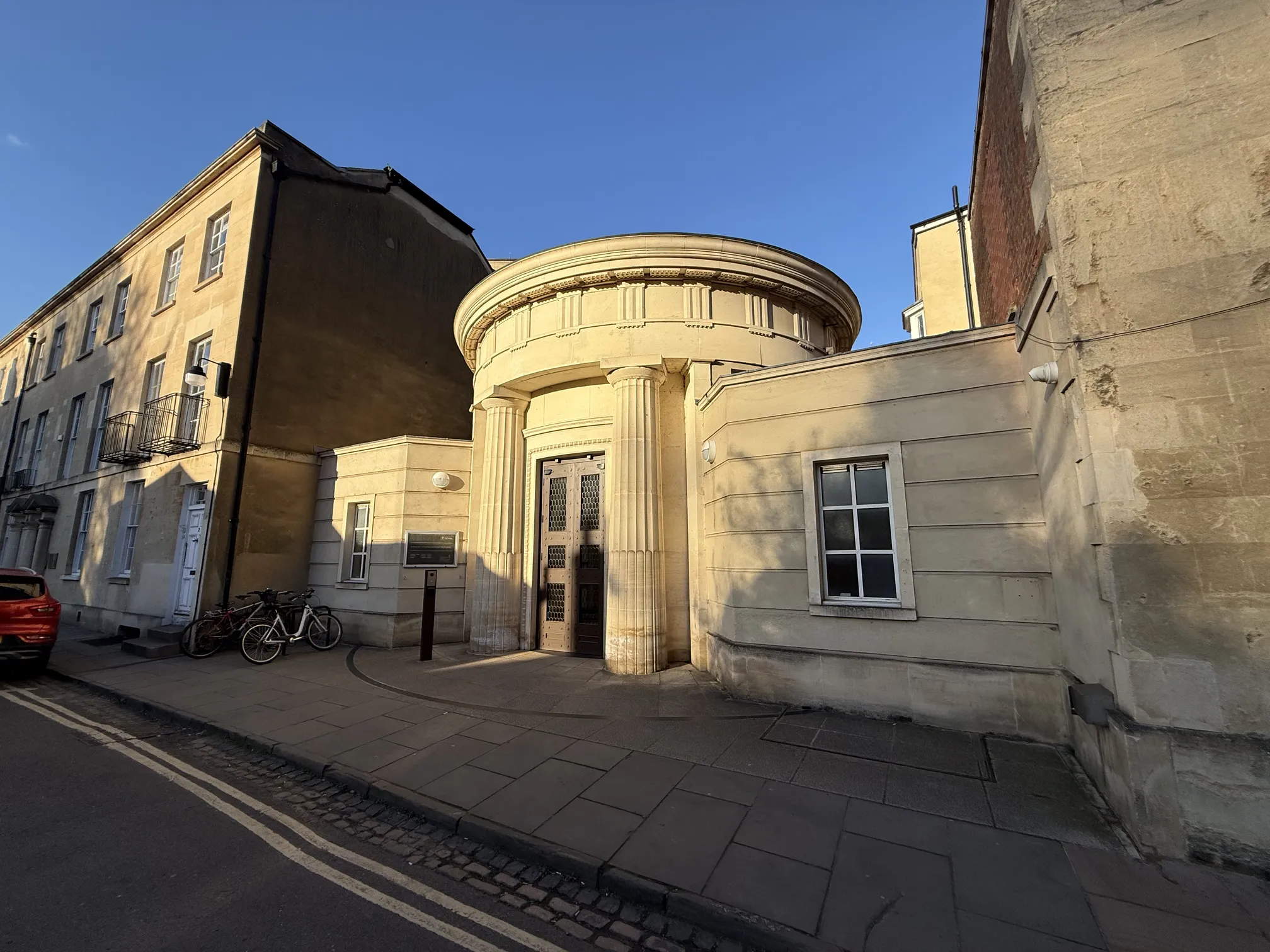
My adventure begins on St John Street, in front of a circular antechamber supported by Doric columns. Even if it wasn't for the Oxford blue Bodleian Libraries sign, you could make a good guess at the purpose of the building. The Art, Archaeology and Ancient World Library (sans Oxford comma) was opened in September of 2001 to house the University's collections relating to the history of art, architecture, archaeology, and classical antiquity.
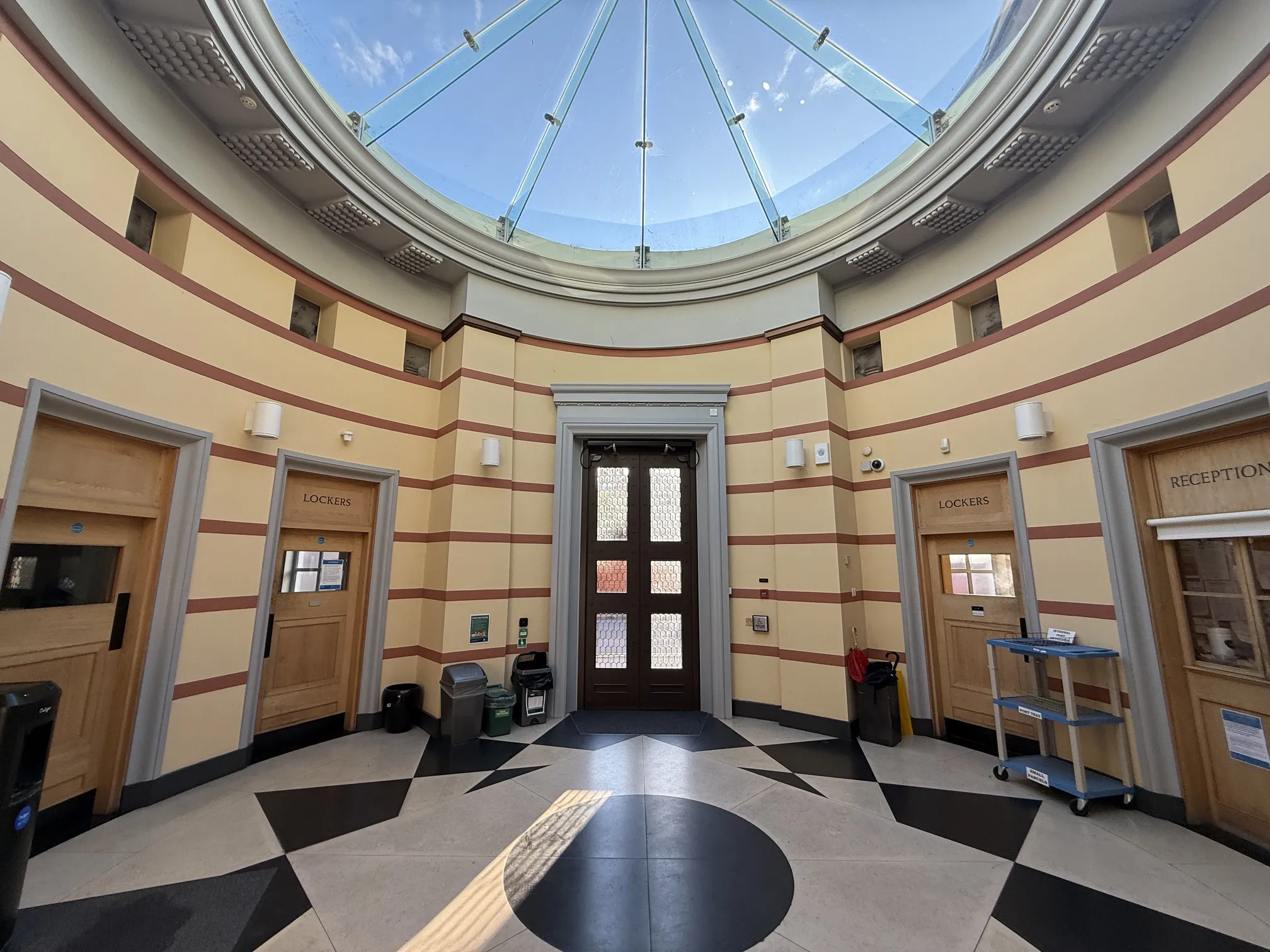
I tap my Bodleian reader card against the reader, and the grated doors swing open, and I enter a space filled with natural light. Two more taps and a turnstile later, I'm standing in a much larger circular building that houses the bulk of the library. I miss the stairs on my left and right and head for the rickety lift at the back, which takes me to the third floor.
Here there's a bit more natural light, and the windows provide a panoramic view of the city. Apart from this, each floor is structured in much the same way: sliding bookshelves in the centre, static bookshelves and study desks going round the edge.
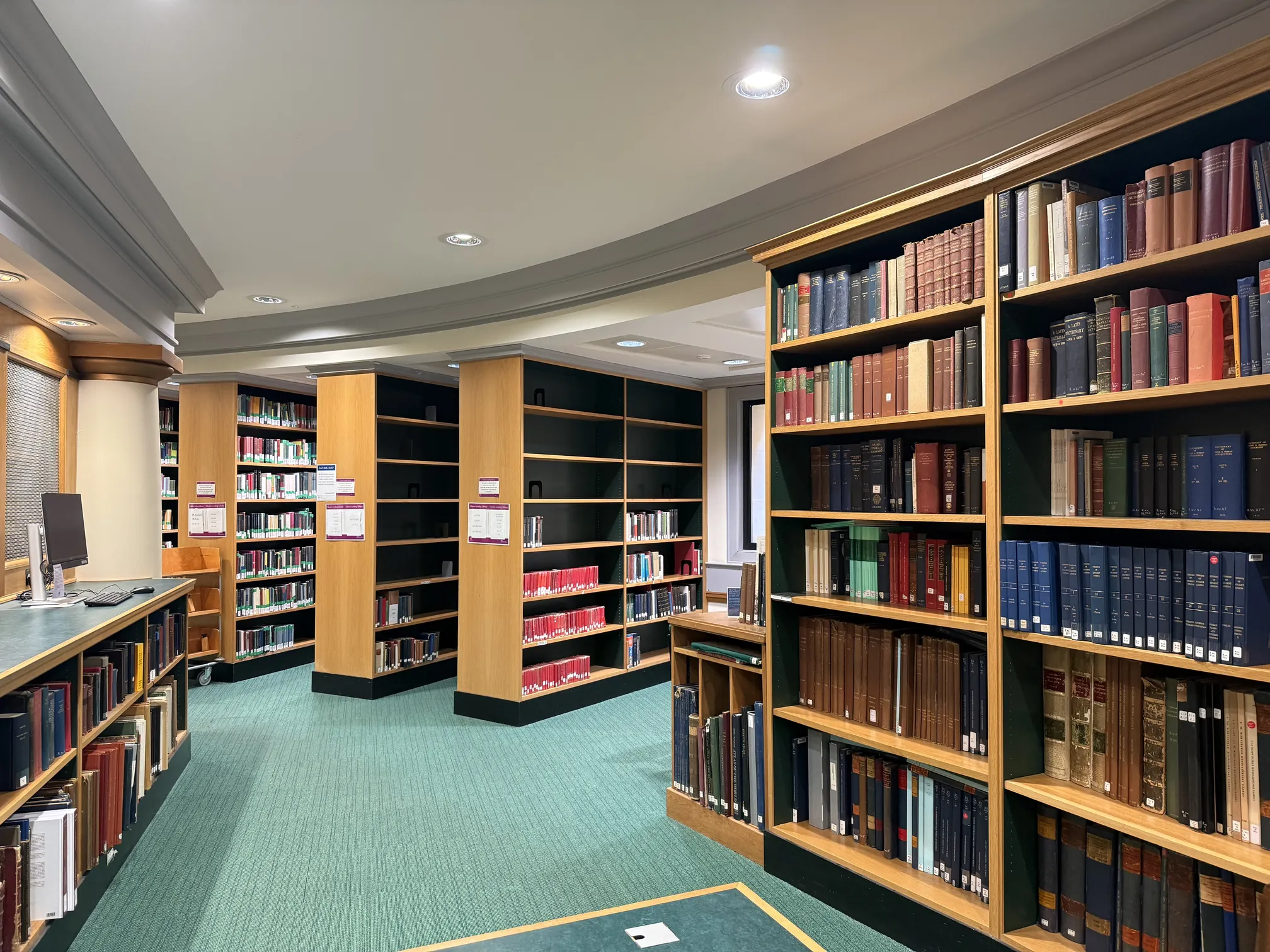
I'm a big fan of having a library in a giant cylinder and the little neoclassical touches that continue inside the building. The library is not too busy, centrally located, and overall a lovely experience.
Bodleian Old Library
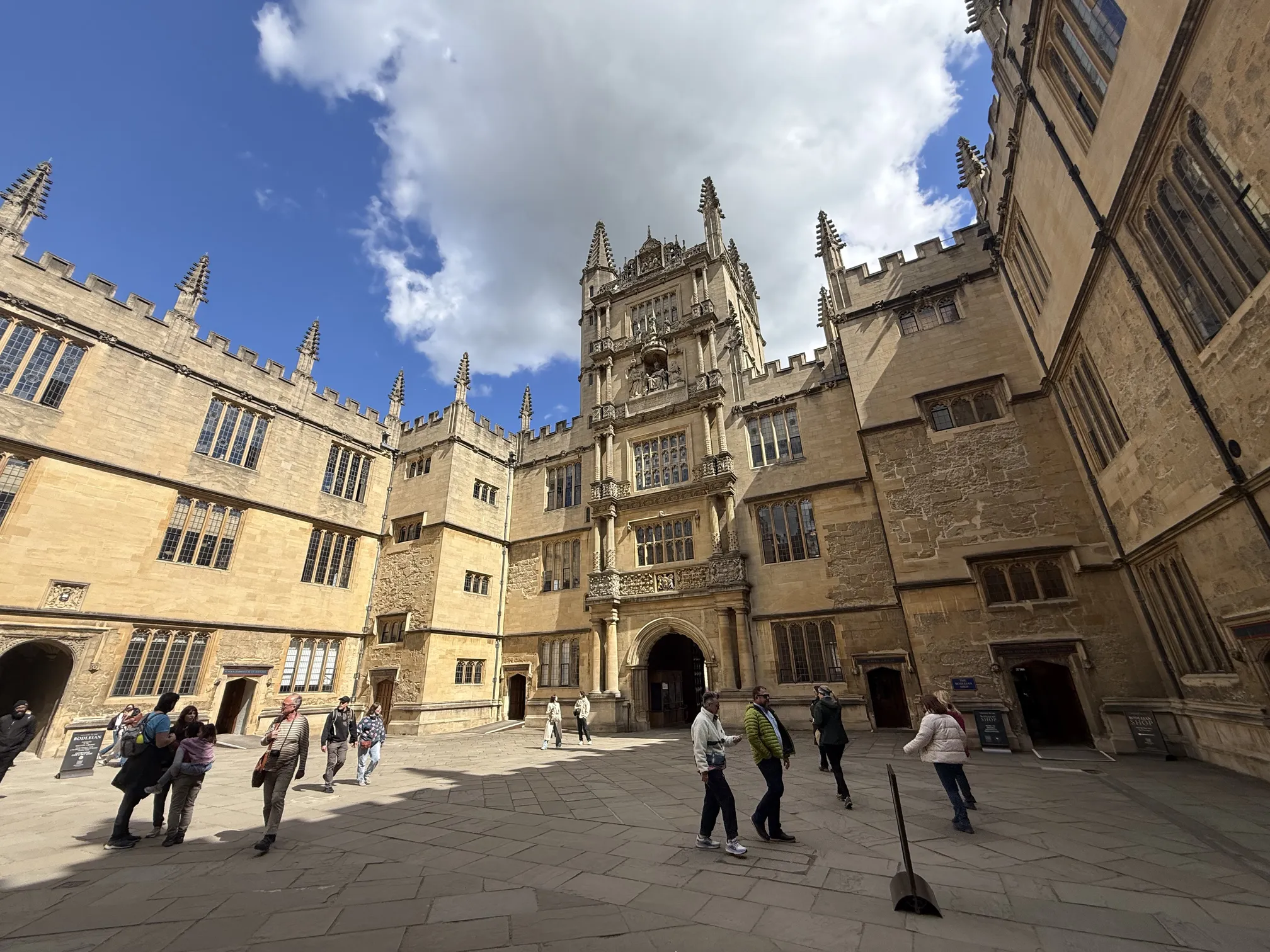
The next library requires no introduction to most Oxford students: the Old Bod is the oldest, the biggest, and the most popular. Passing through the archway to Schools Quad, I enter a sea of meandering tourists, and approach the entrance.
The Latin inscription above the entrance reads:
Thomas Bodley placed this library here for you, Oxford academics, and for the commonwealth of the educated: may it turn out happily.
Indeed, the Bodleian Library was founded in 1603 by Thomas Bodley when he realised that the University could benefit from a central public library. The previous library, the Duke Humphrey's Library, had all but fallen into decline, with reportedly only three of its original books remaining. So Bodley donated some books, bringing the total to around 2,000 volumes. By the time of Bodley's death in 1613, his library had already outgrown the original Duke Humfrey's room, driving an expansion of the building to create what we know today as Schools Quad. Today, the Bodleian Libraries collection contains over 13 million items, distributed across the 23 libraries featured in this series.
Thomas Bodley also laid the groundwork for the Bodleian being a legal deposit library, granting it the right to request a free copy of any book published in the United Kingdom within a year of its publication. Only five other libraries have this power: the British Library, National Library of Scotland, National Library of Wales, Cambridge University Library, and Trinity College Dublin Library.
I'm headed for my favourite part of the library, the Duke Humfrey's, constructed between 1450 and 1480 to store books donated by the eponymous 1st Duke of Gloucester after his death, and later the starting point for the Bodleian Library. Notably, this was also the filming location for the Hogwarts library in the Harry Potter films.
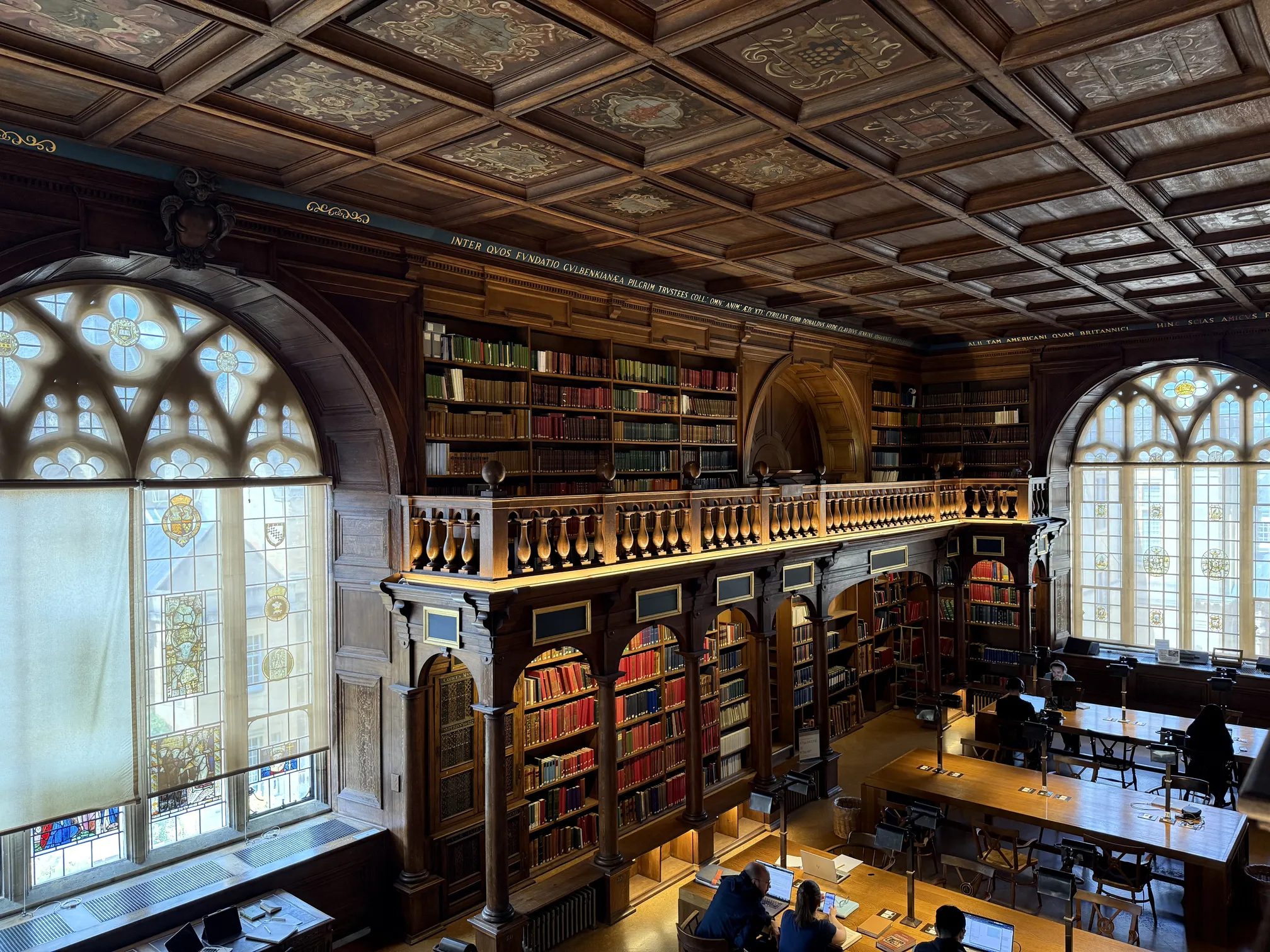
The Duke Humfrey's Library is so old that drinks and bags are not allowed, but there are convenient lockers provided on the ground floor where I leave my stuff. The lockers require a £1 coin to lock, which is returned after use.
After a few hours in the Duke Humfrey's, I exit the building to consume my lunch in the sun. After lunch, I move to the Lower Reading Room, which is less gloomy and lined with paintings of deceased patrons. The Upper Reading Room is also available for much more seating and panoramic views of Radcliffe Square.
The Old Bod has indeed turned out happily, and remains an icon of the Bodleian Libraries system, and the city as a whole. Thomas Bodley was truly ahead of his time, and his library has indeed turned out happily.
Cairns Library
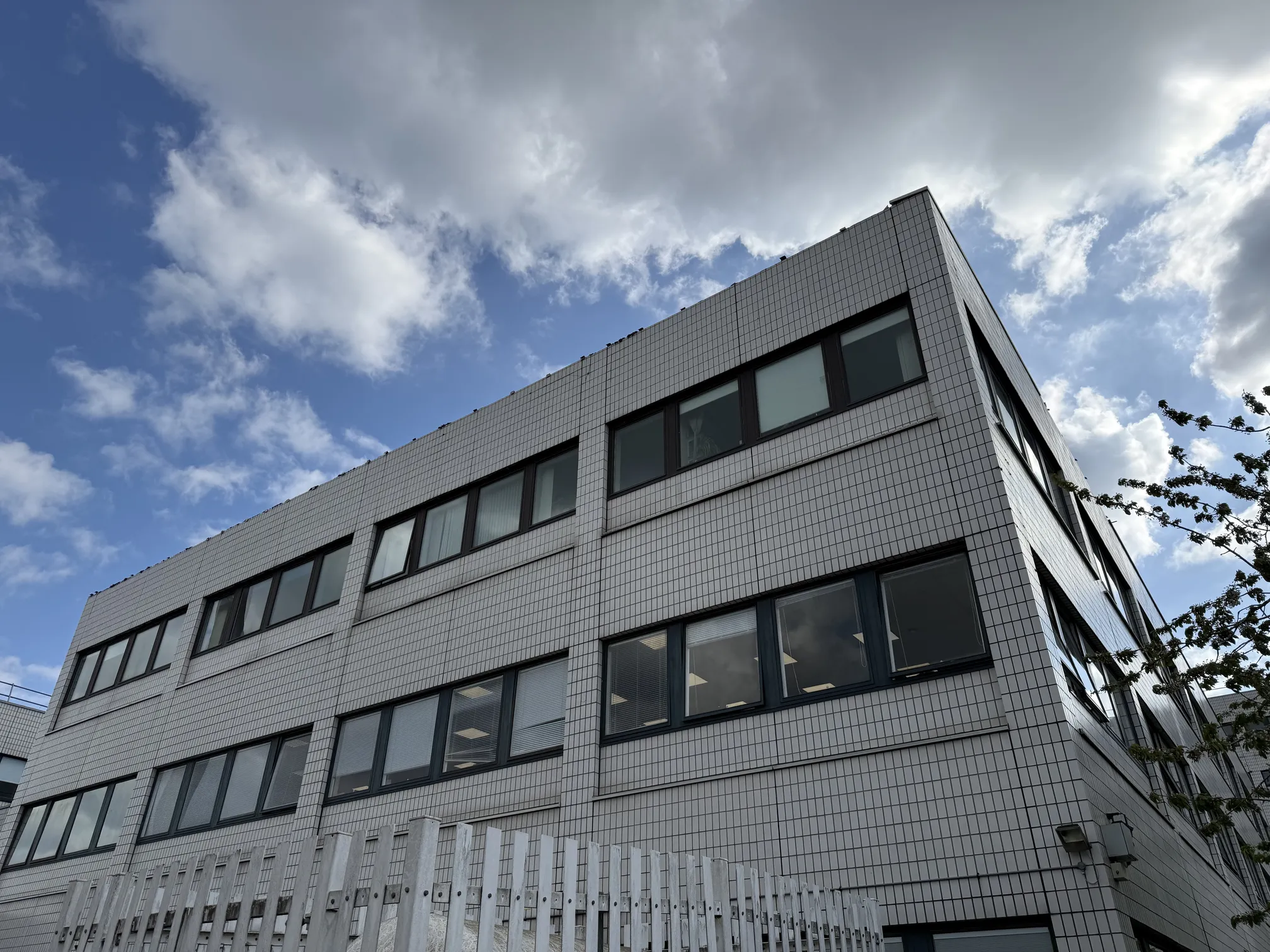
Our first library outside of the city centre, the Cairns Library is situated inside the John Radcliffe Hospital, which necessitates a quick bike ride from College.
The JR Hospital is a big place, so it’s easy to get lost. The best way to get to the library is to park your bike at the descriptively named Main Entrance, then head on through the passage between the M&S Food and the M&S Cafe. This will lead you to a courtyard with a cute little garden, beyond which lies the Academic Centre.
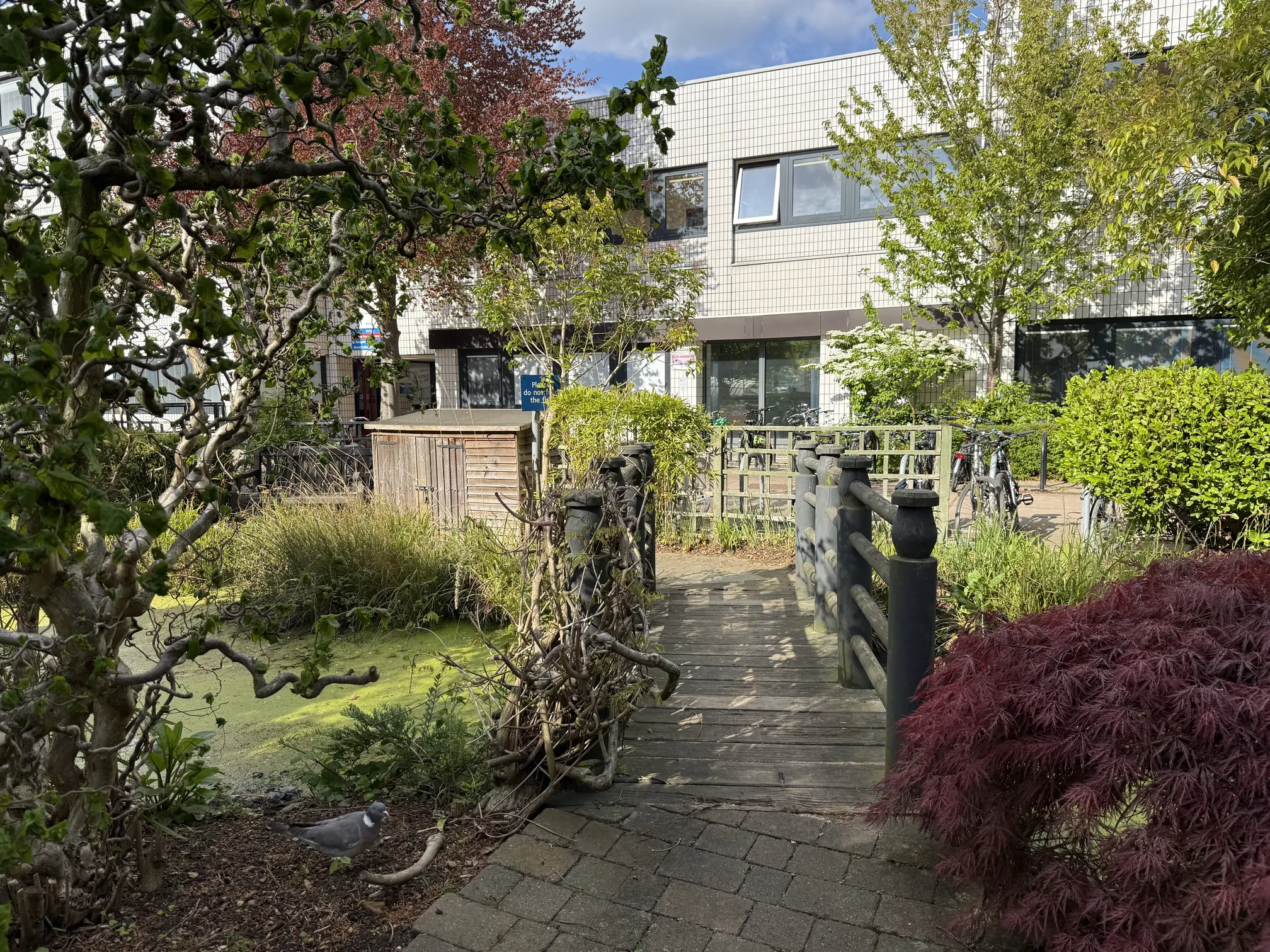
The Academic Centre, much like the rest of the hospital, is a boxy building covered in white tiles, and not exactly pleasing to look at. I'll admit that it does do a very good job of looking like a hospital. After entering the lobby, I climb the stairs and walk down a long corridor to reach the entrance to the Cairns Library.
The library itself reminds me of my secondary school library, with its blue carpeting, roof tiles, and thin metal bookshelves. The library is contained in a single room, but the space is used remarkably well. In the centre are bookshelves stacked with rows of medical journals, and around them are desks for studying. The actual books are stored in a corner by the entrance, separated from the rest of the library by floor-to-ceiling glass panes.
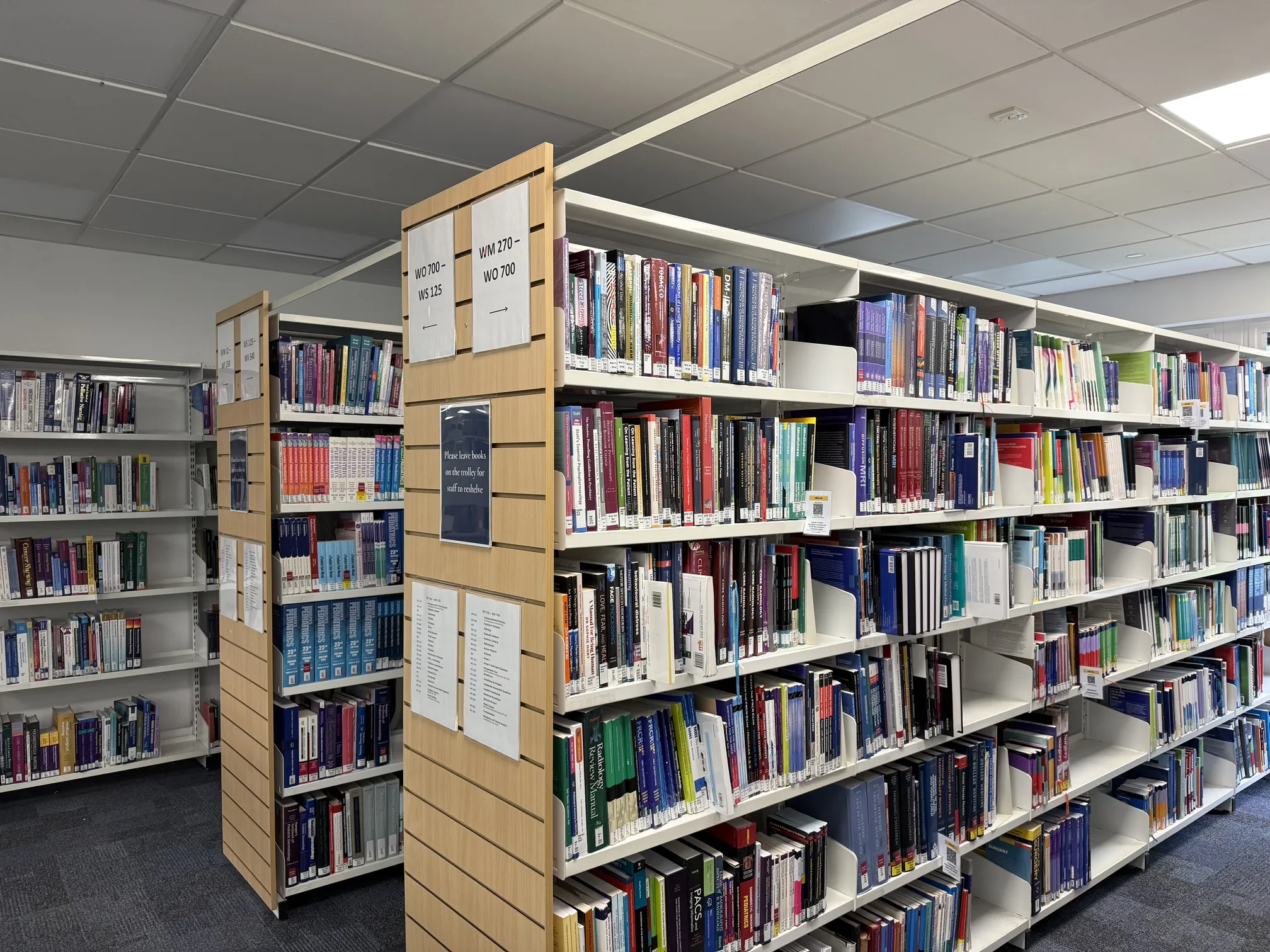
The library is very quiet, and the the view from the windows is quite nice. The Cairns Library is a comfortable place to revise if you have lectures or practicals at the JR Hospital, and no doubt an invaluable repository of medical information.
Education Library
The next library is located on Norham Gardens, on the way to Lady Margaret Hall. I’ve walked down this road many times before for tutorials at LMH, but until today I’d never even realised there was a library here. The Education Library is located in a grand Victorian villa which also houses the Department of Education.
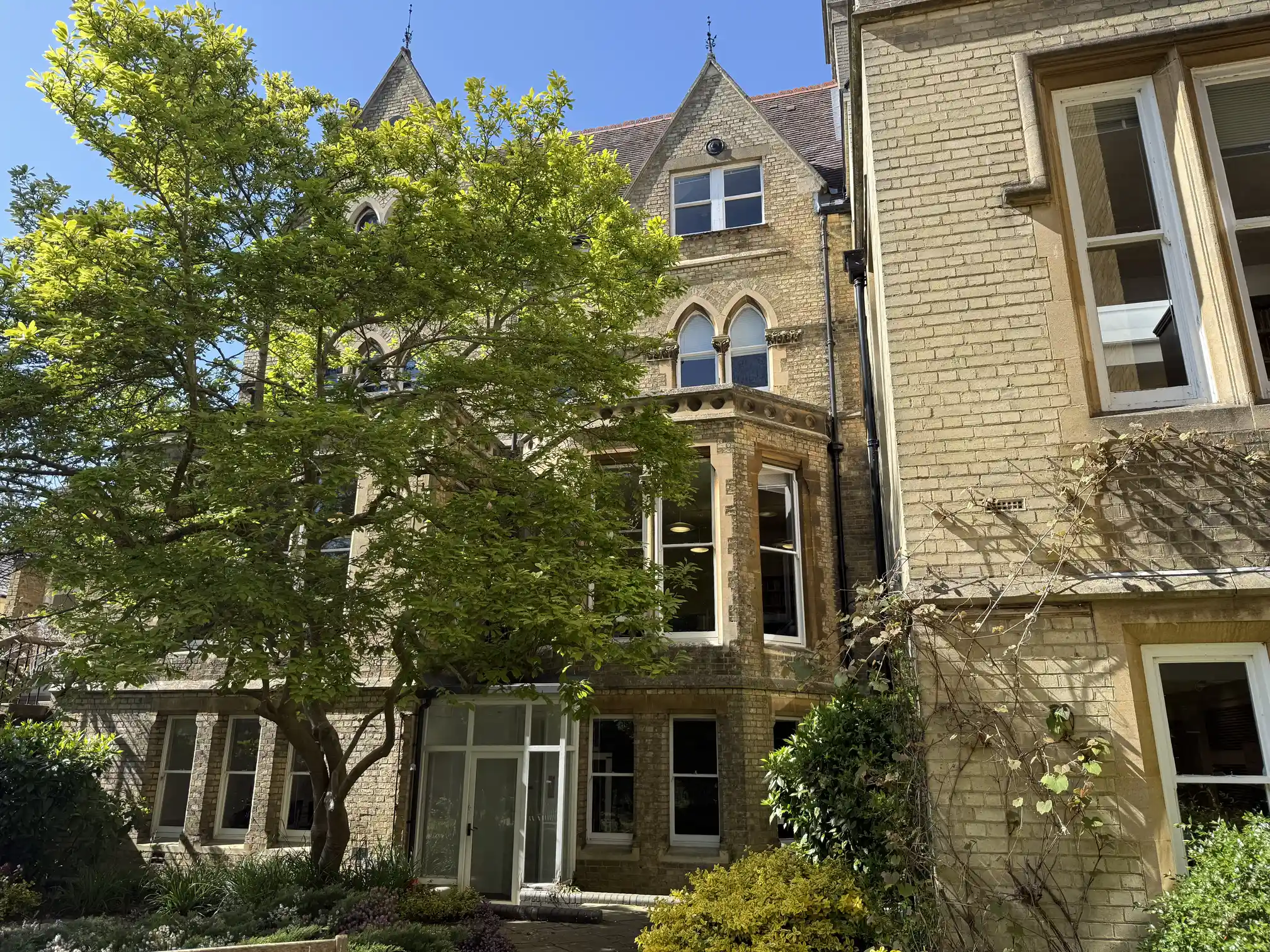
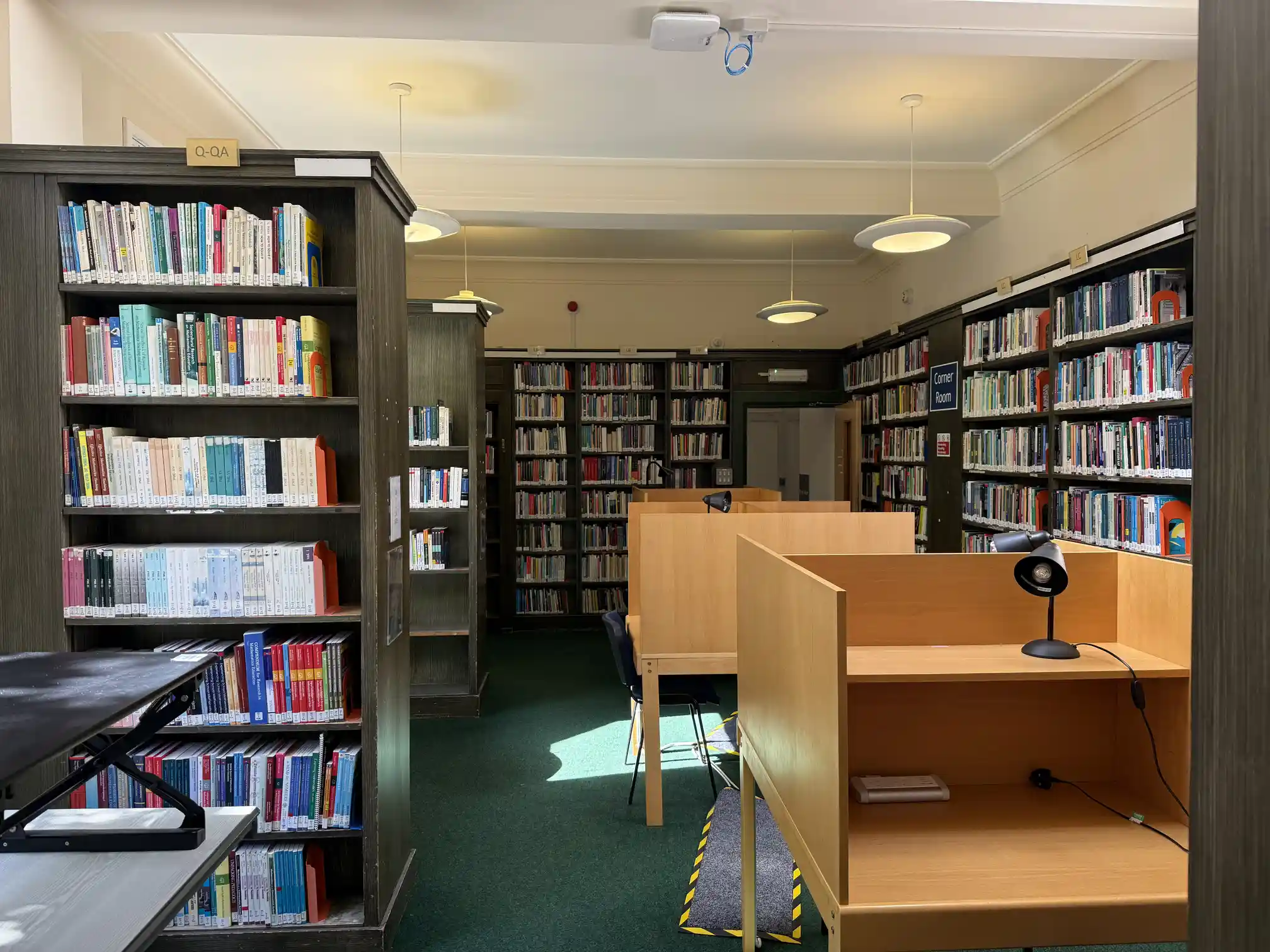
This is perhaps the coziest library on the list so far: the original residential purpose of the building combined with the soft sunlight shimmering through the windows and onto the bookshelves makes me feel right at home.
As is to be expected, the books in this library cover various topics in education. After some exploring, I make my way to the Corner Room, where from my seat I can see all the way across University Parks, albeit only a small sliver of the cricket field.
After a few hours, I decide to investigate the garden. The stairs from the library lead to a lush courtyard, lined with benches, and separated from University Parks by a short fence. The garden also leads to the other buildings of the Department of Education.
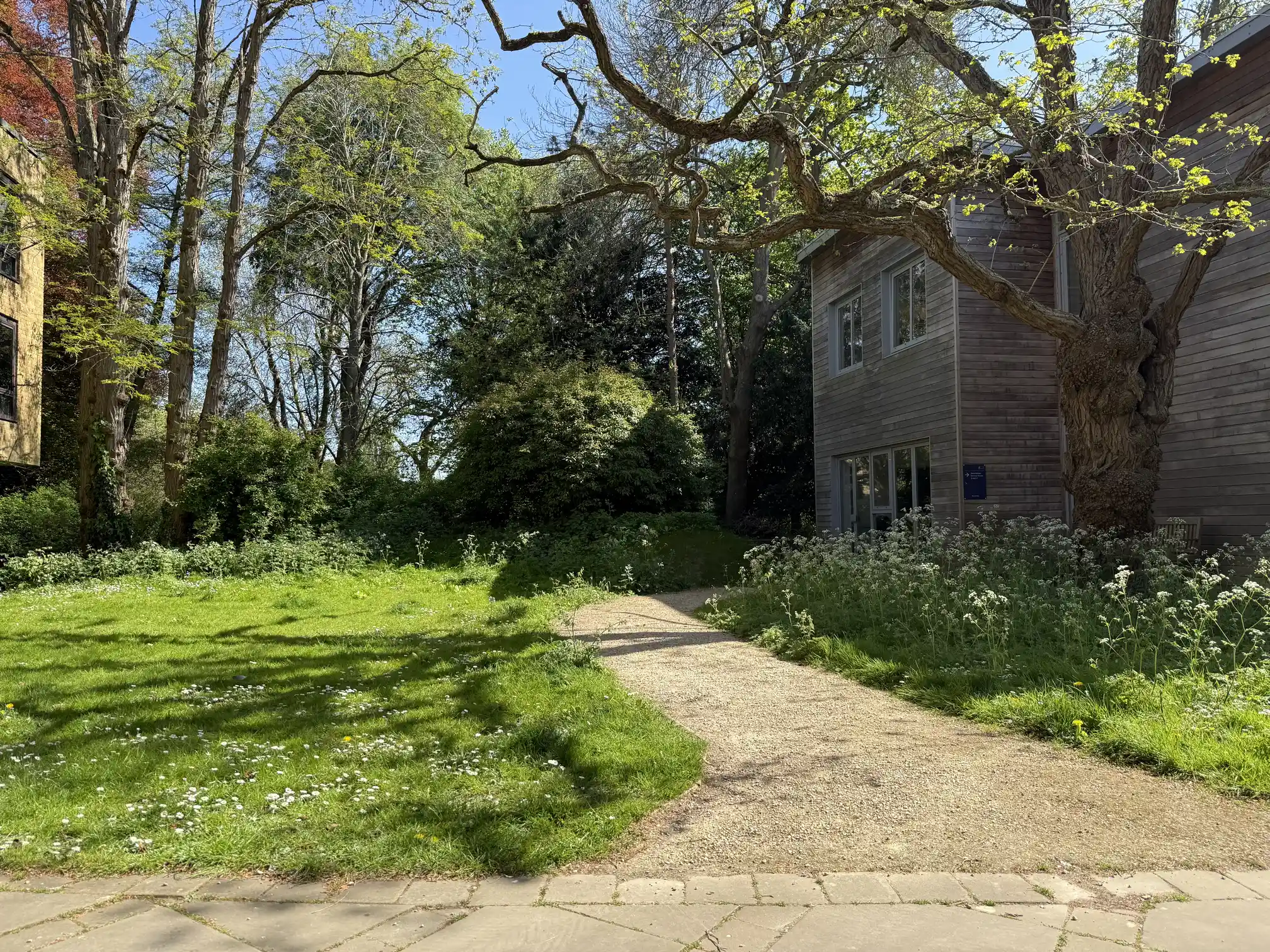
Overall, the Education Library is a really nice and quiet library if you're looking for someplace cozy which is also surrounded by lots of greenery.